TL;DR - Key Takeaways
- •Ceramic coating doesn't hide problems: It locks in whatever surface condition exists - swirls, scratches, and all
- •Paint correction removes 2-3 microns per stage: Multi-stage correction typically removes 5-8 microns of clear coat
- •Modern clear coat is only 38-50 microns thick: Limited material available for correction on post-2020 vehicles
- •Correction first costs less long-term: Coating over imperfections leads to disappointment and expensive re-work later
- •New paint needs minimal preparation: Protecting perfect paint avoids correction costs of $600-1,500+
| Approach | Upfront Cost | Long-Term Result | Re-Work Cost |
|---|---|---|---|
| Correct First, Then Coat | $1,800-2,400 | Excellent appearance for 5-9 years | None needed |
| Coat Without Correction | $1,400 | Visible swirls locked in | Strip + correct + recoat: $2,500+ |
| Wait to Correct Later | $1,400 now | Damage accumulates | $2,200+ at year 3 |
Cost of Common Correction Stages:
- •Single-stage: +$400-700
- •Two-stage: +$600-1,200
- •Three-stage: +$800-1,500+
"I want ceramic coating for my car—how much does it cost?"
This is how most conversations start when vehicle owners contact us about paint protection. It's a reasonable question, but it often skips over an important consideration: the condition of your paint right now.
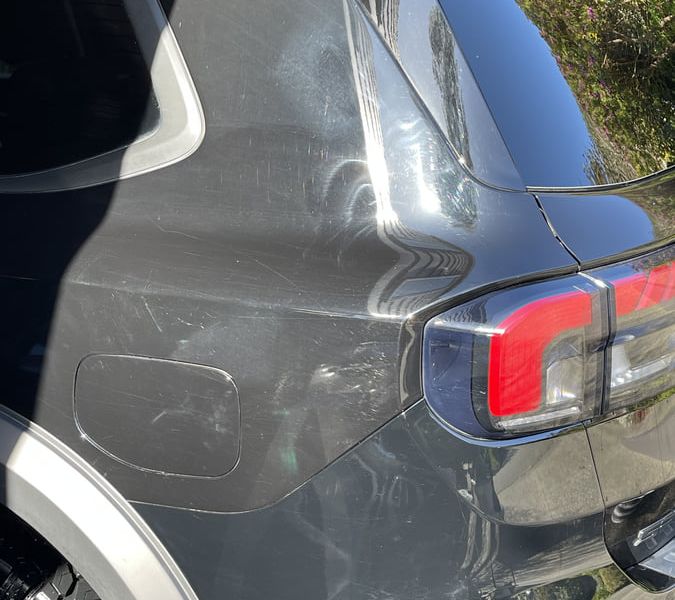
Here's what many people don't realise until we explain it: ceramic coating doesn't hide problems—it locks them in. If your paint has swirl marks, scratches, water spots, or other imperfections when we apply the coating, those imperfections become sealed under a hard, protective layer that's designed to last 5-9 years.
This is where paint correction enters the conversation. Understanding the relationship between correction and coating helps you make informed decisions about protecting your vehicle properly, rather than spending money on results that disappoint.
Let's discuss what paint correction actually involves, when it's necessary, and why it matters for ceramic coating success.
What Is Paint Correction?
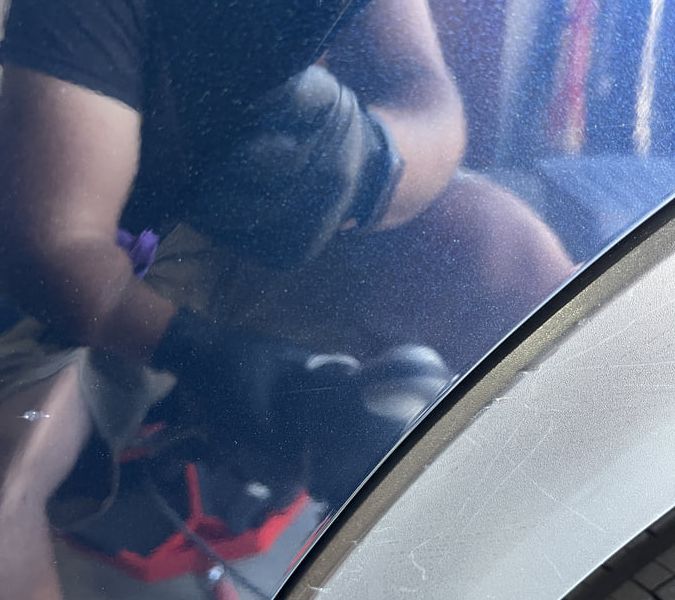
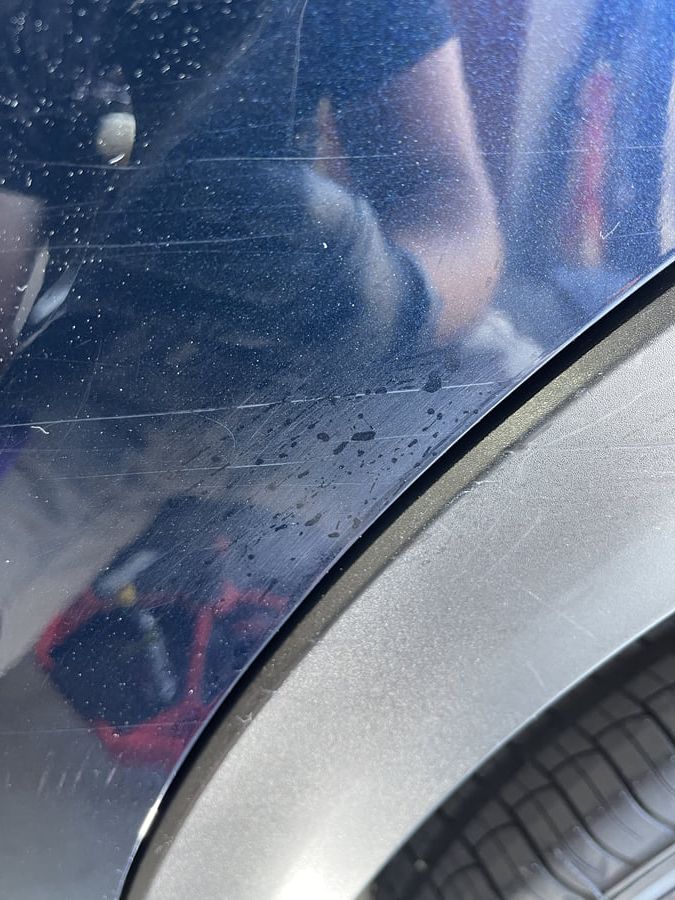
Paint correction is the process of removing imperfections from your vehicle's clear coat through mechanical polishing. We're not hiding damage—we're actually removing a microscopically thin layer of clear coat to eliminate the scratches, swirls, and defects that affect your paint's appearance.
The Correction Process
Think of paint correction like sanding wood. When you have scratches in a timber surface, you sand them down until the surface is smooth and level again. Paint correction works similarly, except we're working with clear coat that's only 38-50 microns thick on modern vehicles.
The process involves:
Assessment: We measure your paint thickness with a specialized gauge to ensure there's enough clear coat to work with safely. Remember, modern vehicles have significantly thinner paint than older cars—we need to know exactly what we're working with before we start removing any material.
Decontamination: Before any polishing, we remove bonded contaminants like iron particles, tar, and tree sap that would interfere with the correction process.
Correction Stages: Using machine polishers with various pad and compound combinations, we methodically remove defects. This might involve:
- Stage 1 (Heavy Cutting): For deep scratches and severe swirl marks
- Stage 2 (Refining): For moderate imperfections and swirl removal
- Stage 3 (Finishing): For final gloss enhancement and surface preparation
Final Preparation: After correction, we prepare the surface specifically for ceramic coating application—this involves removing all polishing oils and ensuring absolutely clean, bare clear coat.
Each stage removes approximately 2-3 microns of clear coat, though this varies based on paint hardness, correction method, and other factors. On a typical vehicle needing two-stage correction, we might remove 5-8 microns total—which sounds minimal until you remember that modern clear coat is only 38-50 microns thick to begin with.
What Correction Can and Can't Do
Let's set realistic expectations about paint correction capabilities.
What Correction Can Remove:
- Swirl marks and wash-induced marring
- Light to moderate scratches (if they're within the clear coat)
- Water spot etching (if not too deep)
- Oxidation and fading (bringing back colour vibrancy)
- Minor chemical etching from bird droppings or tree sap
- Holograms and buffer trails from previous poor correction
What Correction Cannot Remove:
- Deep scratches that penetrate through clear coat into paint
- Rock chips and paint chips
- Dents, dings, or panel damage
- Scratches through to bare metal
- Major vandalism damage
If damage extends deeper than the clear coat, you're looking at repainting rather than correction. Our paint thickness measurements help identify these situations before we start work.
The "Locking In" Problem
This is the critical concept that every ceramic coating customer needs to understand: ceramic coating bonds to whatever surface condition exists when we apply it.
Why Ceramic Coating Won't Hide Imperfections
Ceramic coating is incredibly thin—typically 2-5 microns once cured. For comparison:
- Your clear coat: 38-50 microns
- Ceramic coating: 2-5 microns
- A human hair: 70 microns
That coating thickness isn't enough to fill scratches or level surface imperfections. Instead, the coating conforms to the existing surface, following every swirl mark, scratch, and defect. It then bonds chemically and hardens, essentially preserving whatever condition your paint was in at application.
Consider what this means practically. If your black vehicle has visible swirl marks when we start coating application, those same swirl marks will be visible after coating—except now they're sealed under a 10H hardness coating that's designed to last up to 9 years.
The Enhancement Effect
Here's the aspect that surprises many vehicle owners: ceramic coating actually enhances paint appearance, which makes imperfections more noticeable rather than less.
Quality ceramic coatings:
- Increase gloss significantly, creating deeper reflections
- Enhance colour depth and saturation
- Improve clarity of the paint surface
- Amplify reflections and visual depth
These enhancement properties are exactly what you want on well-corrected paint—they make your vehicle look stunning. However, on uncorrected paint with swirls and scratches, these same properties make the imperfections more obvious and more visible under more lighting conditions.
We've had customers insist their paint looks "fine" under workshop lighting, only to be disappointed when they see their coated vehicle in direct sunlight revealing every swirl mark sealed under that glossy coating. This is why we always inspect paint under proper lighting conditions during assessment.
When Paint Correction is Necessary
Not every vehicle needs correction before ceramic coating, but most do. Here's how we assess whether correction is required for your specific situation.
Age and Condition Factors
New Vehicles (0-6 months old)
- •Usually no correction needed if properly cared for
- •Decontamination may reveal minor dealer or transport swirls
- •Sometimes light polishing on specific panels
- •Cost impact: Minimal—protection without correction pricing
Recent Vehicles (6 months - 2 years old)
- •Light swirl marks from regular washing
- •Minor water spot etching
- •Some contamination bonding
- •Usually single-stage correction suffices
- •Cost impact: Moderate—adds $400-700 typically
Established Vehicles (2-5 years old)
- •Noticeable swirl marks, especially on dark colours
- •Water spot etching
- •Chemical etching from environmental contaminants
- •May need two-stage correction
- •Cost impact: Significant—adds $600-1,200 typically
Older Vehicles (5+ years old)
- •Severe swirling from years of improper washing
- •Oxidation beginning
- •Deep water spot etching
- •May need two or three-stage correction
- •Cost impact: Substantial—adds $800-1,500+
Paint Colour Considerations
Dark colours show imperfections dramatically:
- Black: Shows every swirl, requires careful assessment
- Dark blue/grey: Similar to black, very revealing
- Dark red: Shows swirls plus potential fading issues
Light colours hide some imperfections:
- White: Most forgiving, but still shows oxidation and some swirls
- Silver: Hides many swirls due to metallic content
- Light colours generally: Require less aggressive correction often
However, even light-coloured vehicles benefit from proper correction. Just because defects are less visible doesn't mean they're not there, and ceramic coating's enhancement properties will make them more noticeable after application.
The Correction Process: What to Expect
When we determine your vehicle needs correction before coating, here's what the process involves.
Initial Assessment
Paint Thickness Measurement:
We measure multiple points on every panel using a specialized paint thickness gauge. This tells us:
- Total paint thickness (all layers combined)
- Variation between panels (indicating potential previous repairs)
- How much clear coat we have available to work with
- Whether correction is safe or risky
Modern vehicles with thin paint (around 100 microns total) require especially careful correction. We need to ensure we're not removing too much clear coat, as manufacturers typically warranty paint only if 75% of clear coat remains intact.
Stage-by-Stage Correction
Stage 1: Heavy Cutting (if needed)
- •Purpose: Remove deep scratches and severe swirling
- •Tools: Aggressive cutting compounds with firm cutting pads
- •Removes: Approximately 3-4 microns of clear coat
- •When used: Only on paint with significant damage
Stage 2: Refining
- •Purpose: Remove remaining swirls, refine surface
- •Tools: Medium-cut compounds with polishing pads
- •Removes: Approximately 2-3 microns of clear coat
- •When used: Most vehicles need at least this stage
Stage 3: Finishing
- •Purpose: Final gloss maximization, surface preparation
- •Tools: Fine finishing polishes with soft finishing pads
- •Removes: Approximately 1-2 microns of clear coat
- •When used: All corrected vehicles get finishing
The Results: Realistic Expectations
Paint correction results depend entirely on starting condition and paint thickness available. Here's what we typically achieve:
- On Recently Maintained Vehicles (light damage): 95-100% defect removal
- On Regularly Used Vehicles (moderate damage): 85-95% defect removal
- On Neglected or Older Vehicles (severe damage): 70-85% defect removal
We're always honest about what's achievable before we start work. Sometimes perfect correction isn't possible without removing too much clear coat—in those cases, we discuss options and get your approval before proceeding.
The Cost Consideration
Let's address the financial aspect honestly, because correction costs often surprise vehicle owners who expected ceramic coating to be their only expense.
Breaking Down the Investment
| Service Package | Standard Sedan | Large SUV | Time Required |
|---|---|---|---|
| Ceramic Coating Alone | $1,200-1,600 | $1,500-2,000 | 1 day |
| + Single-Stage Correction | $1,600-2,200 | $2,000-2,700 | 1.5-2 days |
| + Two-Stage Correction | $2,000-2,800 | $2,500-3,500 | 2-2.5 days |
| + Three-Stage Correction | $2,500-3,500+ | $3,000-4,500+ | 2.5-3+ days |
Why Skipping Correction Costs More Long-Term
Some vehicle owners consider skipping correction to save money. While understandable, this usually costs more eventually:
Scenario 1: Skip Correction Now
- •Year 1: Coating applied to swirled paint ($1,400)
- •Year 3: Disappointed with appearance, want coating removed and corrected
- •Year 3: Strip coating, correct paint, reapply coating ($2,500+)
- •Total: $3,900+ plus years of living with disappointing results
Scenario 2: Correct First
- •Year 1: Correction + coating ($2,200)
- •Years 2-9: Enjoying excellent appearance
- •Total: $2,200 with great results from day one
The math favours doing correction properly before coating. You only get one chance to do it right—once coating is applied, correcting requires stripping the coating first, which adds significant cost and complexity.
When You Might Skip Correction
In some specific situations, skipping correction might be acceptable:
- Brand New Vehicles (Under 3 Months): If your paint is genuinely perfect, correction adds little value
- Recently Corrected Vehicles: If you had professional paint correction within the past 6-12 months
- Light-Coloured Vehicles with Minor Swirls: On white, silver vehicles where swirls are barely visible (budget permitting)
- Work Vehicles: If harsh conditions will damage regardless and appearance isn't the priority
Even in these situations, we still recommend at least light polishing (finishing stage) before coating application. The improved bonding and surface preparation justifies the minimal additional cost.
Frequently Asked Questions About Paint Correction and Ceramic Coating
Do I need paint correction before ceramic coating?
It depends on your paint's current condition. New vehicles (under 6 months) typically don't need correction. Vehicles 6 months to 2 years old usually need single-stage correction. Older vehicles or those with visible swirls typically need two-stage correction. Professional inspection determines exact requirements.
How much clear coat does paint correction remove?
Each correction stage removes approximately 2-3 microns of clear coat. Single-stage correction removes ~2-3 microns, two-stage removes ~5-8 microns, three-stage removes ~8-12 microns. Modern vehicles have only 38-50 microns of clear coat total, so preservation is critical.
Can ceramic coating fill scratches or swirls?
No. Ceramic coating is only 2-5 microns thick once cured, while clear coat is 38-50 microns. The coating isn't thick enough to fill imperfections - it conforms to the existing surface, sealing whatever condition exists when applied.
What happens if I coat without correction?
Imperfections become locked under the coating for its 5-9 year lifespan. Ceramic coating's enhancement properties (increased gloss and clarity) actually make swirls and scratches more visible, not less. Removing coating to correct later costs significantly more.
How long does paint correction take?
Single-stage correction typically requires 4-6 hours plus coating time. Two-stage correction needs 6-8 hours. Three-stage correction takes 8-12+ hours. Total process including coating application and curing typically spans 1.5-3 days depending on complexity.
Is paint correction safe for my car's paint?
When performed properly with paint thickness measurement and appropriate techniques, yes. Professional detailers measure paint thickness first to ensure adequate clear coat remains. Most manufacturers warranty paint with 75% of original clear coat intact.
Can all scratches be removed with correction?
Only scratches within the clear coat can be removed. Deep scratches penetrating to base coat or primer require repainting. Rock chips, paint chips, and scratches to bare metal cannot be corrected—only filled and touched up.
How much does correction add to ceramic coating cost?
Single-stage correction typically adds $400-700. Two-stage correction adds $600-1,200. Three-stage correction adds $800-1,500+. Total depends on vehicle size, paint condition, and complexity of correction needed.
Summary: Paint Correction and Ceramic Coating
The Core Relationship:
Paint correction restores your paint to its best possible condition. Ceramic coating preserves that restored condition for 5-9 years. Together, they deliver optimal results.
When Correction is Necessary:
- •New vehicles (0-6 months): Usually none required
- •Recent vehicles (6 months-2 years): Single-stage typically
- •Established vehicles (2-5 years): Two-stage commonly
- •Older vehicles (5+ years): Two or three-stage often needed
Key Decision Factors:
- •Paint thickness: Modern vehicles have limited clear coat for correction
- •Current condition: Visible swirls = correction needed before coating
- •Long-term satisfaction: Correction first prevents disappointment later
- •Financial logic: Doing it right once costs less than re-work
Ceramic coating and paint correction serve different purposes but work together to deliver optimal results. Coating without correction saves money initially but usually disappoints because it locks in imperfections under a hard, glossy coating that makes them more visible. Correction first, then coating, delivers results that satisfy for years.