Ceramic coating — the practical choice for most vehicles, regardless of what they're worth
TL;DR
- •Different threats: ceramic coating protects against UV, chemicals, bird droppings, and oxidation — PPF protects against stone chips and physical impact
- •For most cars: ceramic coating is the right call — it handles the things you genuinely can't avoid
- •PPF makes sense for: high-value vehicles, high-risk areas (bonnet, front bumper), or if stone chips are a specific concern
- •PPF hidden costs: needs professional removal and replacement after 5–10 years — factor this into the decision
- •Best combo: PPF on impact zones + ceramic coating over the rest — used on premium/show vehicles
- •Glossworks: we install ceramic coating and refer PPF work to specialists — honest about when each makes sense
If you've been researching paint protection, you've probably come across both ceramic coating and PPF (paint protection film). They sound like they do the same job. They don't — they protect against different things, and knowing the difference saves you from spending money on the wrong product.
The honest short version: ceramic coating is the right choice for the vast majority of vehicles. PPF has a genuine place, but that place is more specific than most people think. Here's how they actually differ, and how to work out what makes sense for your car.
What Is the Difference Between Ceramic Coating and PPF?
They are fundamentally different types of products — not two versions of the same thing.
Ceramic Coating
A liquid chemical applied to the paint surface that chemically bonds with the clear coat and cures into a hard, semi-permanent layer. It's measured in nanometres of thickness — essentially invisible.
What it protects against:
- ✓UV oxidation and paint fading
- ✓Bird droppings, tree sap, salt air, chemical fallout
- ✓Swirl marks and fine scratches (to a degree)
- ✓Water spots and mineral deposit bonding
- ✓Contamination adhesion — keeps paint cleaner
What it doesn't protect against:
- ✗Stone chips and road debris impact
- ✗Deep key scratches or deliberate damage
- ✗Panel abrasion from contact
Paint Protection Film (PPF)
A thick, flexible thermoplastic urethane film physically applied over the paint. Typically 150–200 microns thick — visible if you look closely at edges. Many modern versions are self-healing (minor scratches disappear with heat).
What it protects against:
- ✓Stone chips and gravel impact
- ✓Deep scratches and abrasion
- ✓Bug splatter and road tar
- ✓Some chemical resistance
Where it falls short:
- ✗Less UV protection than ceramic coating
- ✗Can yellow over time without UV coating protection
- ✗Less hydrophobic — harder to keep clean
- ✗Edges can lift and trap contamination
Which Protection Method Works Better for Everyday Driving?
For everyday driving, ceramic coating addresses the things that actually damage most cars. Think about what realistically happens to your paint over 5 years:
What Actually Damages Most Cars
Very common threats
- •UV oxidation and paint fade
- •Swirl marks from poor washing technique
- •Bird droppings and tree sap etching
- •Salt air and contamination buildup
- •Water spotting
Less common — but possible
- •Stone chips on bonnet and front bumper
- •Door edge chips and car park dents
- •Gravel rash on lower panels
Ceramic coating addresses the first column comprehensively. PPF addresses the second column. For most vehicles, the first column is where the money should go.
The Considerate Driving Point
Most of the situations where people think they need PPF — stone chips from following too closely, gravel roads, highway driving — can be significantly reduced by leaving more space on the road. That doesn't help with the occasional unavoidable incident, but it does mean the protection most people are paying for PPF to provide is largely within their control. Ceramic coating protects against the things you genuinely can't control.
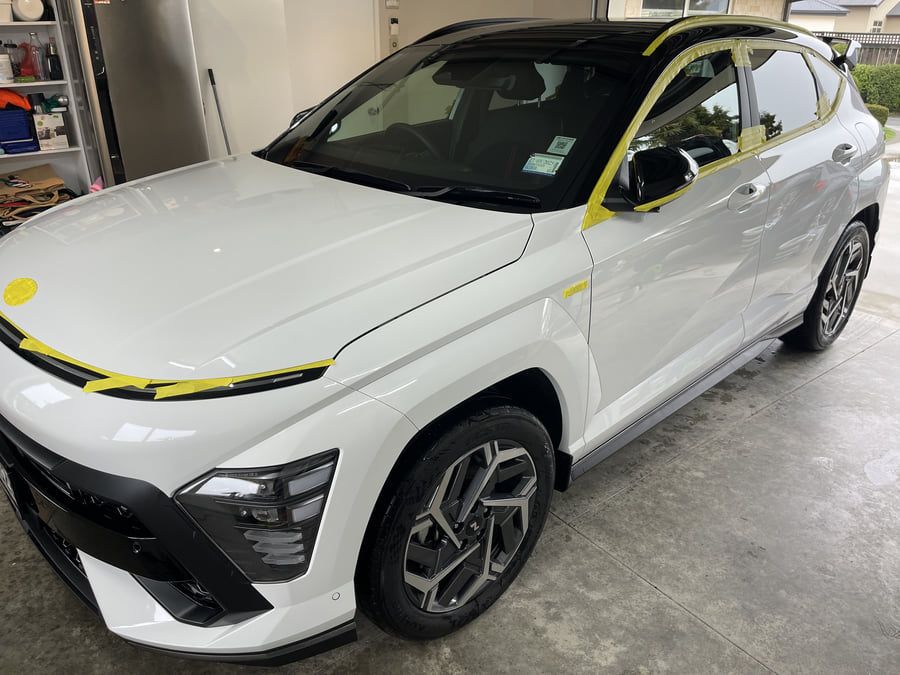
The gloss and protection ceramic coating delivers — a result PPF alone doesn't achieve
When Does PPF Actually Make Sense?
PPF does have a genuine place — it's just more specific than it's often marketed. Here are the situations where it's the right tool.
High-value or irreplaceable vehicles
If a stone chip on your bonnet represents a significant insurance or repair cost, full-front PPF is a logical investment. The calculus changes when the vehicle's value justifies a higher protection spend. A $300 PPF repair is less of a concern on a $30,000 car than on a $200,000 one.
High-risk driving patterns
Regular motorway driving at high speed, frequent rural gravel roads, or vehicles used for track days see more stone chip exposure than most. If your driving genuinely places you in regular high-chip situations, PPF on the front end makes practical sense.
Specific high-impact areas
Door cup areas — the recessed section around the door handle — are a common zone for fingernail marks and key scratches. Small PPF sections on door cups are a practical and relatively affordable addition. Similarly, lower rockers on some vehicles are candidates for targeted PPF rather than a full wrap.
Vehicles with difficult or discontinued paint
If matching your paint colour for chip repairs is difficult — rare custom colours, discontinued OEM colours, or multi-stage metallics — the cost of a single chip repair might approach the cost of PPF. In these cases, prevention is clearly better than cure.
Can You Use Ceramic Coating and PPF Together?
Yes — and if you're going to use PPF, this is the way to do it. Ceramic coating applied over PPF is actually a very effective combination, and for good reason.
PPF protects the paint from physical damage
Stone chips, scratches, and abrasion are physically absorbed by the film. The paint underneath stays untouched. On high-impact zones like bonnets and front bumpers, this is the film's primary job.
Ceramic coating protects the PPF from contamination
PPF on its own is relatively porous and harder to keep clean than ceramic-coated paint. Applying ceramic over PPF makes it hydrophobic, easier to wash, and more resistant to UV yellowing. It also protects the film edges from contamination getting underneath. The two products complement each other well.
How to Approach It
The typical approach is PPF on the highest-impact zones (front bonnet, front bumper, wing mirrors, door edges) and ceramic coating over everything — including over the PPF. This gives you physical protection where it matters most and chemical/UV protection across the entire vehicle. It's the most complete approach available, though it carries the highest cost. For most vehicles, ceramic coating alone is the more sensible investment.
What Does Ceramic Coating Offer That PPF Can't?
PPF is often discussed as if it's the premium version of what ceramic coating does. It isn't — they protect against different threats. Ceramic coating offers several things that PPF either can't match or doesn't provide at all.
Enhanced gloss and depth
A properly applied ceramic coating adds measurable gloss depth that PPF doesn't provide. The clarity and colour depth of a freshly coated vehicle is one of the most visible results — it looks different to an uncoated car. PPF changes very little about how the paint looks.
Hydrophobics and ease of cleaning
Water beading and sheeting is a ceramic coating characteristic, not a PPF one. A ceramic coated car stays cleaner between washes, sheds water and road grime more effectively, and is faster to wash properly. This is arguably the most appreciated day-to-day benefit for most owners.
Full-vehicle UV protection
UV oxidation is the primary cause of paint fading and degradation over time — and it affects every panel. A ceramic coating protects every surface from UV with a consistent layer. PPF is typically only applied to front-end impact zones, leaving most of the vehicle's paint exposed to UV degradation.
Chemical resistance across the whole vehicle
Bird droppings, tree sap, industrial fallout, and salt air affect every panel — bonnet, roof, boot, and doors equally. Ceramic coating creates a chemically resistant barrier across the entire vehicle. A front-end PPF only covers a fraction of the surface area that actually needs chemical protection.
Accessible for any vehicle
You don't need an expensive or prestigious car to justify ceramic coating. If you care about your car's appearance — whatever it's worth — ceramic coating delivers real benefits. We coat $5,000 hatchbacks and $80,000 SUVs, and the owners of both are pleased with the result. The coating doesn't know what the car cost.
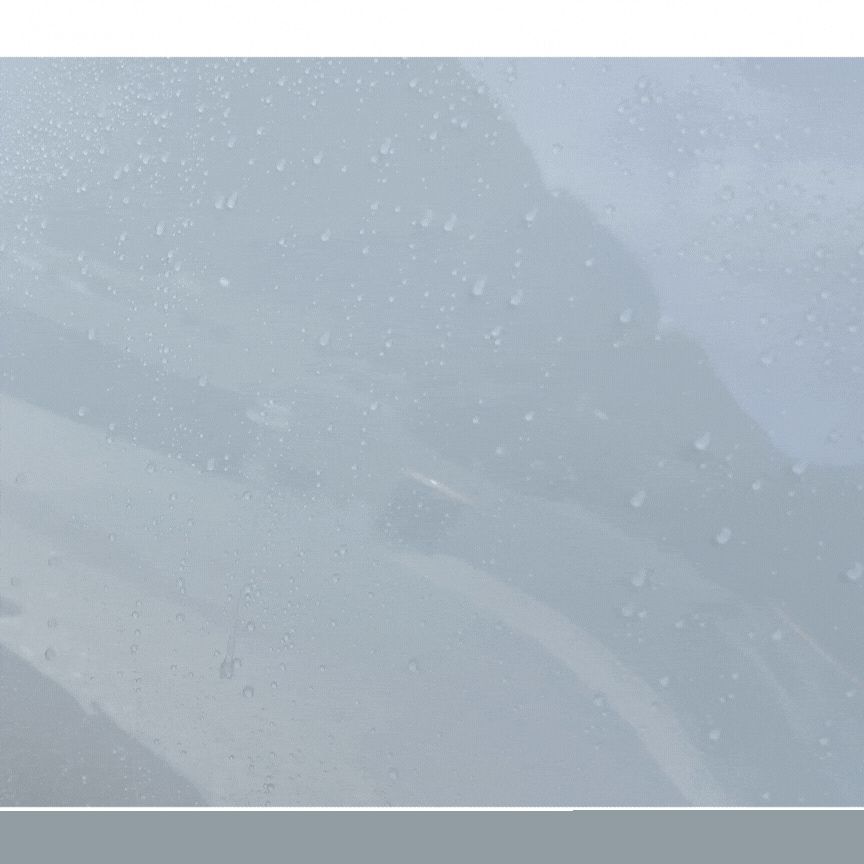
Hydrophobics are a ceramic coating characteristic — water beading like this is one of the most visible and practical benefits for everyday ownership
Which Should You Choose for Your Car?
A straightforward decision guide based on what we see and hear from clients in Nelson.
You have an everyday vehicle you care about
Ceramic coating. It protects against the threats most cars actually face, improves the look and ease of cleaning, and represents a sensible investment for any vehicle you intend to keep looking good.
You have a high-value vehicle and chip repair would be significant
PPF on front impact zones + ceramic over everything. The combination makes sense when the cost of a single chip repair justifies the upfront investment. We'll refer you to a good PPF installer and then apply the ceramic coating over the film.
You're worried about door handle area scratches
Targeted door cup PPF + ceramic over everything else. Small PPF sections on high-contact zones are a practical, affordable addition. Get in touch if this is something you're considering — we can discuss whether it makes sense for your specific vehicle.
Ceramic Coating vs PPF — Common Questions
What is the difference between ceramic coating and PPF?
Ceramic coating is a liquid chemical that bonds to your paint and cures into a hard, semi-permanent layer. It provides UV protection, chemical resistance, hydrophobics, and enhanced gloss — but it won't absorb physical impacts. PPF (paint protection film) is a thick, flexible plastic film applied over the paint that physically absorbs chips, scratches, and abrasion. PPF does less for gloss and UV protection, but it physically blocks damage that ceramic coating cannot.
Does PPF protect better than ceramic coating?
Against physical impacts — chips, deep scratches, and abrasion — PPF is better. Against UV, chemical contamination, bird droppings, salt air, and oxidation, ceramic coating is better. They protect against different things, which is why combining both (PPF on high-impact areas, ceramic over the rest) is the most complete approach on vehicles where it makes sense.
Is PPF worth the cost for most cars?
For most everyday vehicles, no. PPF is significantly more expensive than ceramic coating and most of what it protects against — stone chips, road debris — can be largely mitigated by thoughtful driving. Ceramic coating protects against the more common threats (UV, chemical contamination, swirl marks) at a fraction of the price. PPF makes more sense on high-value vehicles, track cars, or vehicles with very high-risk driving patterns.
Can you apply ceramic coating over PPF?
Yes — and it's actually a great approach. Applying ceramic coating over PPF protects the film itself from contamination and UV degradation, making the PPF easier to clean and extending its life. It also means the rest of the vehicle (areas without PPF) gets the same hydrophobic and chemical protection. Many high-end protection packages use both together.
Do you need a $300,000 car to justify ceramic coating?
Not at all. Ceramic coating makes sense whenever you care about your car's appearance and want to maintain it with less effort. We've coated vehicles worth a few thousand dollars and owners are consistently happy — the protection, hydrophobics, and ease of cleaning benefit any car you actually care about. The coating doesn't know what the car is worth.
Does Glossworks install PPF?
We don't install PPF ourselves, but we're happy to point you in the right direction if it's the right product for your situation. Our focus is ceramic coating — it's the right solution for the vast majority of vehicles we see, and we'd rather be honest about that than oversell what we do.
Not Sure What Your Car Needs?
We'll give you an honest assessment — no upselling, no pushing PPF if it's not the right fit. Get in touch and we'll work out what makes sense for your vehicle.
What happens next: Free consultation → Transparent quote → Professional application → Follow-up care