Most of these come from marketing rather than from installers. Coatings genuinely do a lot, which makes them easy to oversell, and an oversold product creates disappointed customers who then tell everyone the whole category is a con.
Here are the seven we hear most, and what we actually see on cars.
Myth 1: It makes your paint scratch-proof
What is true: a coating is harder than clear coat and may reduce the light marring that comes from routine washing. That is a real benefit and it is most of why coated cars still look good after a few years.
What is not: anything that would gouge your clear coat will still gouge a coated car. Keys, trolley corners, branches, a careless jacket zip. None of those care that the car is coated.
The gap between “scratch resistant” and “scratch proof” is where most of the disappointment in this industry lives.
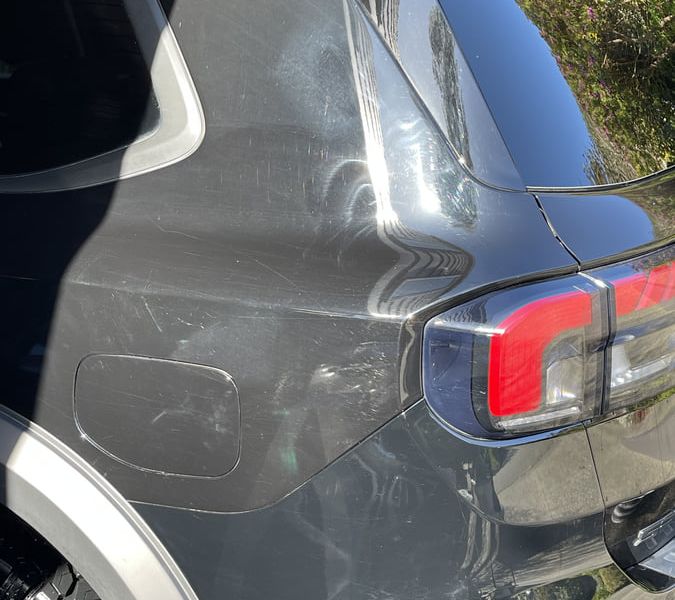
For an average driver a coating may also reduce the likelihood of small stone chips. It will not stop them. If chips are your main worry, paint protection film is the product actually designed for that.
Myth 2: It lasts forever
What is true: in one specific sense, it does. The bond is permanent, much like the clear coat on your car. Coatings do not fall off.
What is not: performance is a different thing from presence. The water behaviour, the slickness and the ease of cleaning all fade well before the coating itself goes anywhere.
What the warranty period covers is the coating cracking and aging. What genuinely wears it down is washing and general use, and that is not covered by any warranty from any manufacturer.
Realistically: 3-5 years from our White coating, 7-9 years from Black. There is a fuller answer in how long a coating actually lasts.
Myth 3: You never have to wash it again
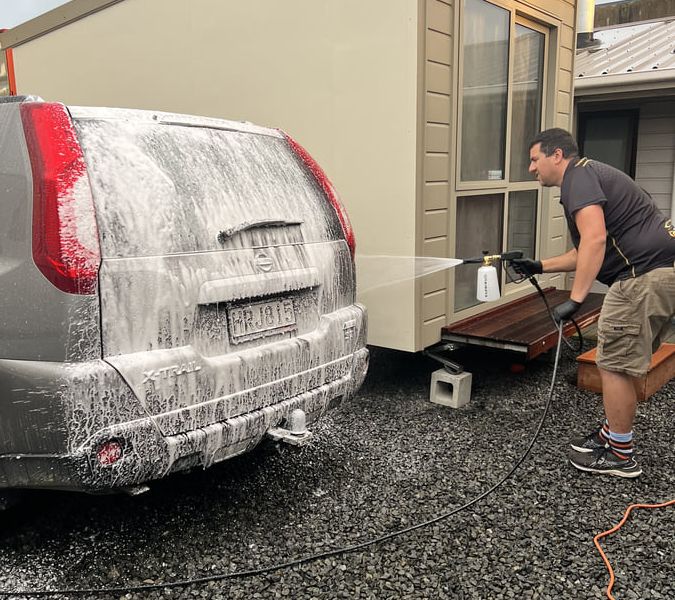
What is true: washing is easier and needed less often. Dirt releases without much effort and the car stays cleaner between washes.
What is not: contamination still lands on it. Bird droppings, bee droppings, sap and blossom are all acidic, and a coating buys you time to remove them rather than immunity from them. Leave them long enough and they will still etch.
Myth 4: It is just an expensive wax
What is true: both make water bead and both improve gloss, so on day one they can look similar.
What is not: they are different products doing different jobs over very different timescales. Wax sits on the surface and lasts about 4 weeks. A sealant lasts up to about 12 weeks. A coating bonds to the clear coat and stays for years.
Worth saying plainly: there is nothing wrong with wax. The useful framing is not which product is better, it is how often you want to be handling your paint. Waxing a car for five years means touching it every month or so, and handling is where most swirl marks come from.
If you like the look of a wax over the top of a coating for a special occasion, that works. It goes over the coating, not instead of it. More on that in our coating versus wax comparison.
Myth 5: DIY is just as good, or DIY is useless
Both versions of this are wrong, which is why it makes the list twice over.
DIY genuinely works. Aaron coats his own vehicles. Some of the products on the shelf are the same ones we use, and a careful DIY job over well-prepared paint will comfortably beat a rushed professional one.
The differences are time, preparation and the eye. A coating job is a full day, usually six to ten hours, and most of that is decontamination and correction rather than applying the product. The judgement about how much clear coat there is and what it can safely take is the part that takes longest to build.
Our professional versus DIY comparison goes through all of it, including where DIY is the right call.
Myth 6: It hides existing paint problems
This one is backwards, and it is the most expensive misunderstanding on the list.
A coating locks in whatever condition the paint is already in. Apply one over swirled, oxidised paint and you have preserved swirled, oxidised paint for the next several years. Undoing it means polishing the coating off and starting again.
What is true: the preparation before the coating does improve the paint, often dramatically. Most of what people admire in a finished car came from that stage rather than from the product that went on afterwards.
Realistic expectation on that: most people doing a standard polish see about 50-60% of defects removed, and less on newer cars because the paint is thinner.
Myth 7: It stops water spots
Commonly stated, and explained backwards almost everywhere.
Water spots are mineral deposits left behind when water evaporates. A coating makes water bead, and a bead that dries where it sits still leaves its minerals behind. Concentrating water into droplets concentrates the deposit. Beading is not immunity.
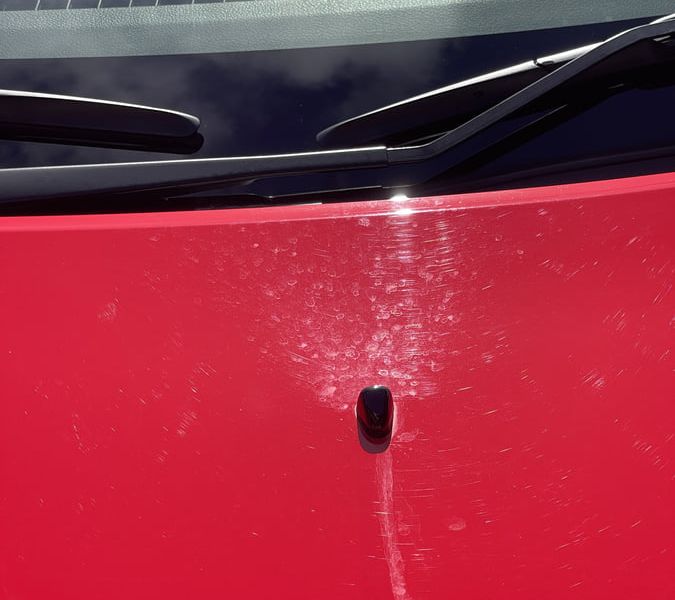
What actually helps is that beaded water runs off far more readily than a flat film, so much less of it stays on the panel long enough to dry there, and the self-cleaning effect carries away most of the contaminants that would otherwise stain.
The real risk is not rain. Rain carries very few dissolved minerals. Tap water carries considerably more, which is why the highest-risk moment is washing the car and letting it air-dry, or leaving a hose running over it on a hot day.
Aaron’s own car lives outside on a coating and has no water spotting after several years. The habit behind that is simply never letting standing tap water dry on the paint.
So what does a coating actually do?
Stripping out everything above, here is what is left:
- UV resistance, which matters more in Nelson than most places
- Chemical resistance against droppings, sap, blossom and salt, buying you time to remove them
- Easier washing, which reduces how hard you have to work the paint and therefore how much you mark it
- Water behaviour that keeps the car cleaner between washes
- Gloss and colour depth, largely from the preparation underneath
- Years of it, rather than weeks
That is a genuinely good product. It just is not a force field, and nobody is served by pretending otherwise.
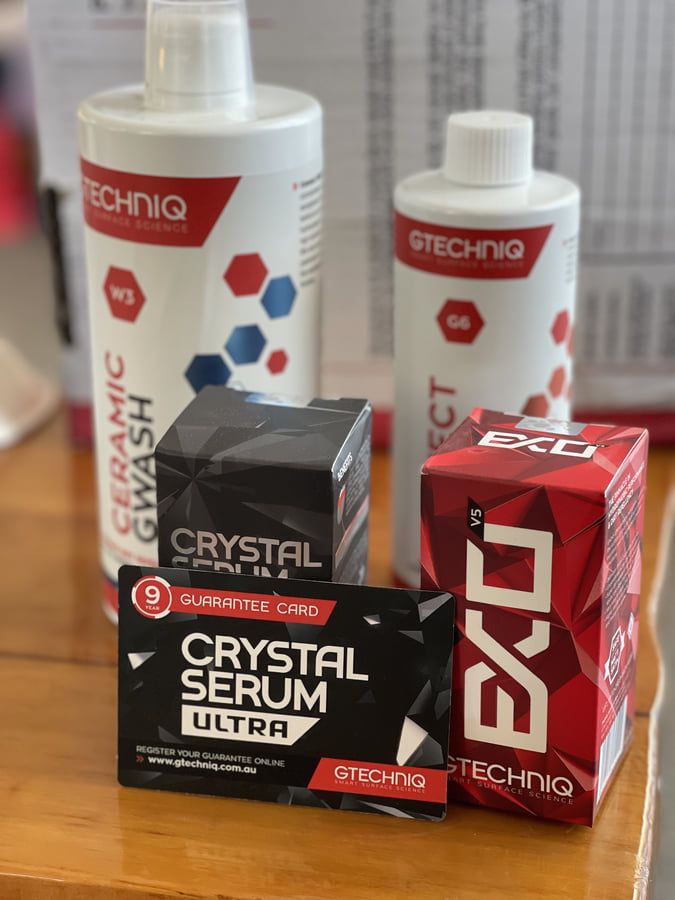
What it costs is on our pricing calculator, and what our Gtechniq and C6 accreditation actually means is written up separately, since that is the one claim in this article we make about ourselves.
"Absolutely happy with how this looks. I originally thought the paint was bad before getting it polished and coated."
— Mark L
Want to know what your paint would actually do?
We will look at it properly and tell you what is realistic before you spend anything.
What happens next: Free consultation → Transparent estimate → Professional application → Follow-up care