TL;DR
- •Wax: Sits on top of paint, lasts 6–8 weeks, gives warm gloss — a good short-term option for older vehicles or enthusiasts who enjoy applying it
- •Paint Sealant: Synthetic wax replacement, lasts 4–8 months, easier application — a reasonable middle ground but still needs regular reapplication
- •Ceramic Coating: Chemically bonds to clear coat, lasts 5–9+ years, significantly harder surface — a fundamentally different product, not just a better wax
- •The key difference: Wax and sealants sit on the surface and wear away. Ceramic coating bonds to the paint and becomes part of it
- •Is ceramic worth the cost? For most vehicles driven regularly in Nelson, yes — the 5-year cost comparison favours ceramic significantly
- •When wax/sealant still makes sense: Older vehicles approaching end of life, occasional-use classics, or as a short-term solution before budgeting for ceramic
The paint protection category can feel genuinely confusing. Walk into any auto parts store and you'll see shelves of waxes, sealants, "ceramic sprays," hybrid products, and everything in between — all making bold claims about protection and longevity. Ask the staff what the difference is and you'll often get a shrug.
The honest answer is that wax, paint sealant, and professional ceramic coating are not variations of the same product. They work differently at a chemical level, perform differently in real-world conditions, and suit different situations. Understanding that distinction makes the cost question much easier to answer. So let's start there.
What's the Difference Between Ceramic Coating, Wax, and Paint Sealant?
Before comparing performance, it's worth understanding what you're actually comparing. These products have genuinely different chemistries — which is why their performance and durability differ so dramatically.
Wax — The Traditional Approach
Carnauba wax is a natural plant-based product that has been used on paint since the early days of the automotive industry. It works by laying a thin sacrificial layer over the paint's clear coat — one that contaminants bond to rather than the paint itself. That layer wears away over time from washing, UV exposure, and rain, taking whatever contamination it's collected with it.
Modern waxes blend carnauba with synthetic polymers to improve durability and ease of application, but the fundamental principle is unchanged: a temporary topcoat that protects by being the thing that wears away. Typical durability is 4–8 weeks before the protective layer is meaningfully depleted, though quality varies significantly between products.
Paint Sealant — Wax's Synthetic Successor
Paint sealants are fully synthetic polymer products engineered specifically for automotive paint protection. They bond to the clear coat more tenaciously than wax and form a harder, more chemically resistant layer. Think of them as a more durable version of wax — still a topcoat that sits on the surface and eventually wears away, but one that lasts considerably longer.
A quality paint sealant lasts 4–8 months depending on conditions and maintenance, makes the paint noticeably easier to clean, and provides reasonable UV and chemical resistance. It's also significantly faster and easier to apply than traditional wax. For vehicles that get reapplied protection regularly, sealants are a practical choice — but the ongoing reapplication cost and time adds up over years of ownership.
Ceramic Coating — A Fundamentally Different Category
Professional ceramic coatings based on silicon dioxide (SiO2) don't sit on top of the paint — they chemically bond to the clear coat at a molecular level during a curing process. Once cured, the coating essentially becomes part of the surface: a harder, more chemically resistant, hydrophobic layer that can't be washed or wiped away the way a wax or sealant can.
This is why ceramic coatings are measured in years rather than months. They're not a better wax — they're an entirely different approach to paint protection. The product also has measurable hardness (rated on the pencil hardness scale), something wax and sealants don't meaningfully provide. As we explain in our 9H vs 10H guide, hardness rating directly affects scratch resistance in everyday use.
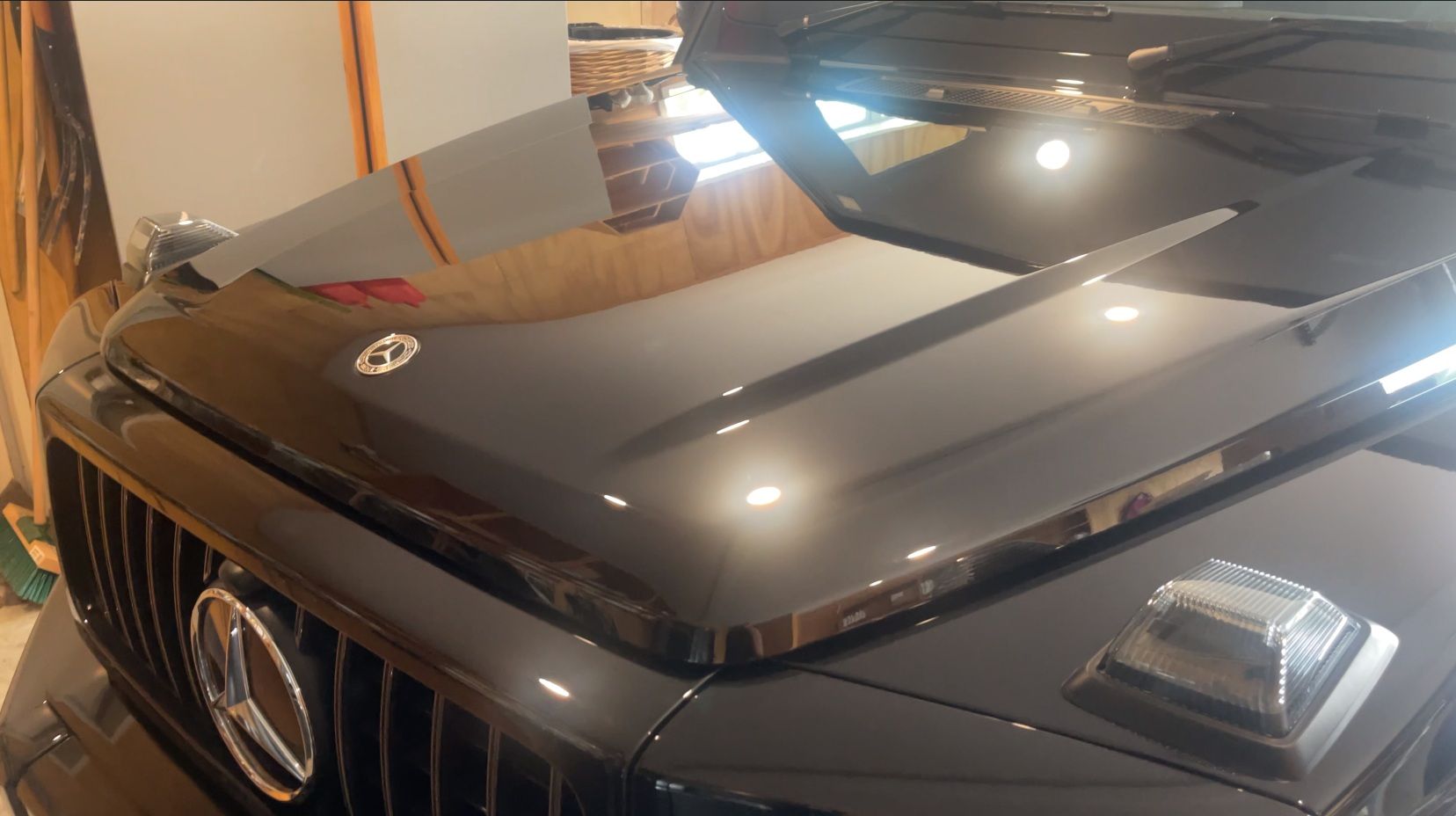
The depth and clarity of a properly prepared and ceramic coated surface — the result of chemical bonding rather than surface layering
How Does Ceramic Coating Actually Compare to Wax and Sealant in Performance?
Here's how each product compares across the factors that matter most for protecting your vehicle's paint in real-world conditions.
| Performance Factor | Wax | Paint Sealant | Ceramic Coating |
|---|---|---|---|
| Durability | 4–8 weeks | 4–8 months | 5–9+ years |
| UV Protection | Basic | Moderate | Strong |
| Chemical Resistance | Low | Moderate | High |
| Scratch Resistance | None (soft) | Minimal | Good (9H/10H rated) |
| Hydrophobic Effect | Mild beading | Moderate beading | Strong beading + sheeting |
| Ease of Cleaning | Moderate improvement | Good improvement | Significant improvement |
| Gloss | Warm, traditional | Bright, crisp | Deep, sustained clarity |
| Bonding Method | Topcoat (sits on surface) | Topcoat (bonds weakly) | Chemical bond to clear coat |
| Reapplication Required | Every 1–2 months | Every 4–8 months | Once per 5–9 years |
| Application Time | 2–3 hours DIY | 1–2 hours DIY | Full day (professional) |
The Number That Changes Everything
The durability gap is the most important figure in that table, because it determines total cost of ownership over time. If you need to reapply a sealant every 6 months, that's 10 reapplications over 5 years — in time, product, and effort. A ceramic coating done once provides better performance throughout, with no reapplication. For the full financial breakdown with actual NZD figures, see our dedicated ceramic coating cost analysis.
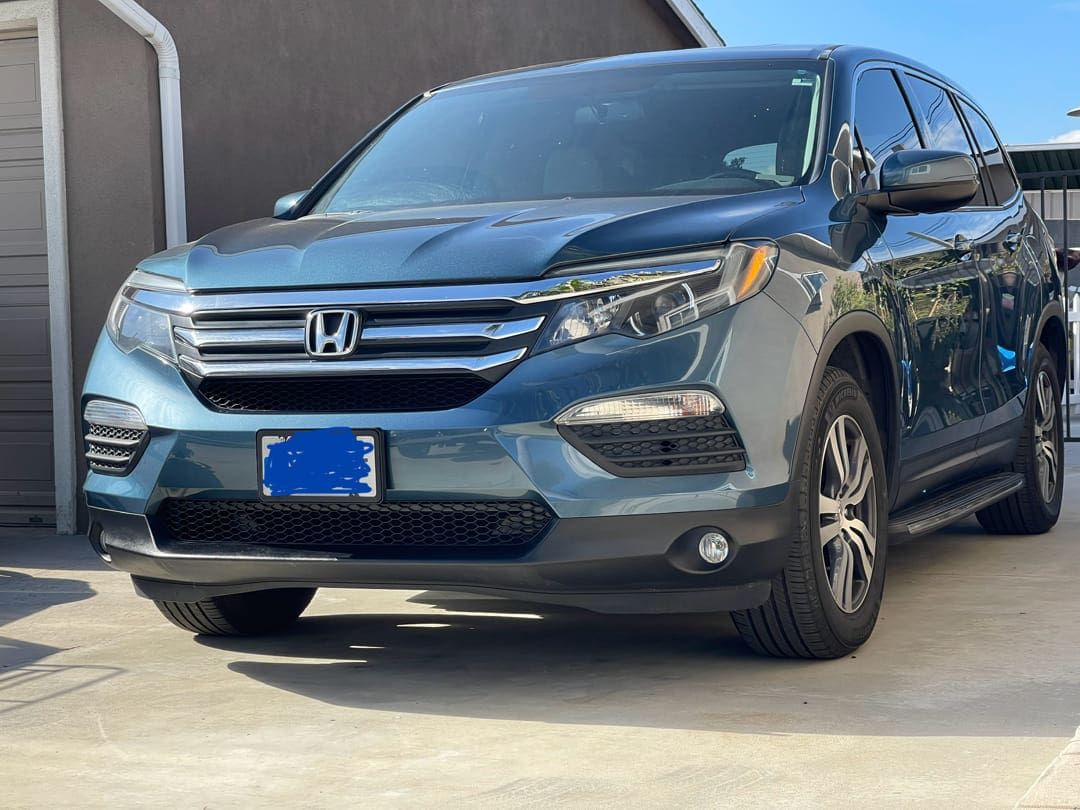
A professionally ceramic coated vehicle maintains its appearance with significantly less maintenance effort than wax or sealant-protected paint
Are There Situations Where Wax or Sealant Is a Better Choice Than Ceramic Coating?
A professional ceramic coating is the right choice for most vehicles — but not all of them. There are genuine situations where wax or sealant is the more sensible option, and we'd rather help you make the right call than push the most expensive option regardless.
Wax Still Makes Sense When...
- ✓ The car is at end of life — if you're planning to sell or scrap within 12–18 months, investing in a ceramic coating doesn't make financial sense
- ✓ It's a classic or show car — many enthusiasts genuinely prefer the warm aesthetic of carnauba wax on older paint, and enjoy the application ritual
- ✓ Paint is heavily damaged — paint with deep scratches or significant oxidation needs correction work first; a wax or sealant while saving for proper prep and ceramic is reasonable
- ✓ As a top layer over ceramic — a light carnauba wax applied over a ceramic coating adds a traditional warm gloss and a sacrificial topcoat. It doesn't extend the ceramic's protection but some owners prefer the look
Sealant Still Makes Sense When...
- ✓ Budget is the immediate constraint — a quality sealant now is meaningfully better than bare paint while you save for a ceramic coating
- ✓ Leased vehicle — if you return the car in 2–3 years, a sealant gets you solid protection for your tenure without over-investing
- ✓ Older vehicle with marginal paint — paint that's faded, thin from previous correction, or partially repaired may not be a good ceramic coating candidate without significant prep investment
- ✓ High-risk working vehicle — a farm ute or work vehicle that will sustain regular scratches and dings is better served by an inexpensive, replaceable sealant
The Honest Summary
Wax and sealant aren't bad products — they're appropriate products used in appropriate situations. The problem is when they're sold as equivalent alternatives to ceramic coating, at prices that don't reflect the performance gap. A $1,200 professional ceramic coating and a $1,200 dealership sealant package are not the same investment, even though the dollar figures match. Understanding what you're actually buying is what makes the decision straightforward.
Not Sure Which Is Right for Your Vehicle?
We're happy to give honest advice based on your car's condition, how long you plan to keep it, and your budget. No pressure — just a straight answer.
What happens next: Free consultation → Transparent quote → Professional application → Follow-up care
What Are "Ceramic Spray" Products and Are They Worth Using?
You've probably noticed a growing number of spray bottles in auto stores labelled "ceramic wax," "ceramic boost," or "hybrid ceramic spray." These products sit in a confusing middle ground — and their marketing leans heavily on the word ceramic without being transparent about what they actually deliver.
What Ceramic Spray Products Actually Are
Most spray-on "ceramic" products contain a small percentage of SiO2 — enough to legitimately use the word ceramic in their marketing, but not enough to achieve the hardness, chemical bonding, or durability of a professional-grade coating. They're essentially enhanced sealants that use the ceramic branding to justify a higher retail price.
That's not to say they're worthless — a good quality SiO2 spray sealant is a genuine step up from a traditional polymer sealant. But expecting it to perform like a professional ceramic coating because it says "ceramic" on the label will end in disappointment. Typical durability is 3–6 months under normal conditions.
Where They Fit In
Ceramic spray products sit between a traditional sealant and a professional coating — closer to the sealant end of that spectrum. They're a reasonable choice as a maintenance spray over an existing ceramic coating to refresh hydrophobic performance, or as a temporary protection measure for a vehicle that isn't ready for full coating. They are not a budget alternative to professional ceramic coating. The chemistry simply doesn't allow it.
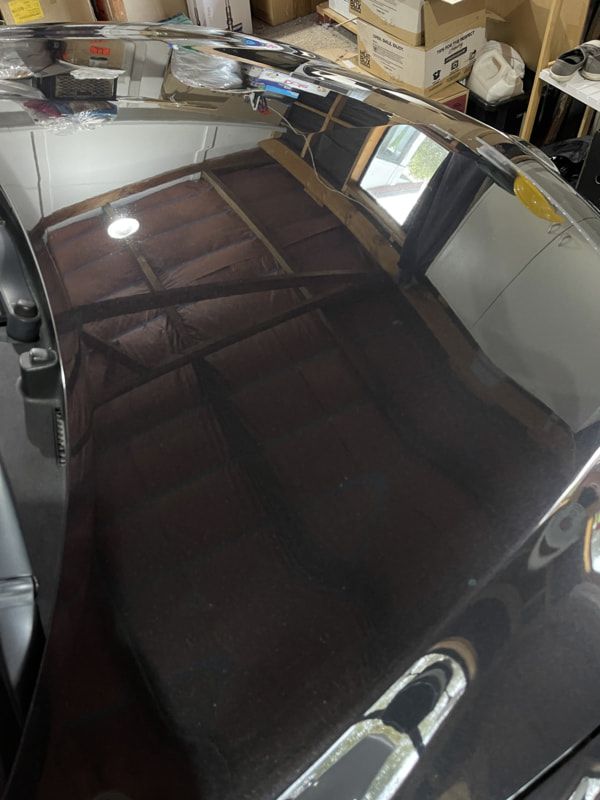
A properly applied professional ceramic coating — note the clarity and depth that isn't achievable with topcoat products
Should You Choose Ceramic Coating, Wax, or a Paint Sealant for Your Car?
Choose Ceramic Coating If:
- →You plan to own the vehicle for 3+ years
- →The vehicle is new or recently corrected (paint in good condition)
- →You want to minimise long-term maintenance time and cost
- →You care about preserving resale value
- →The vehicle will be exposed to Nelson's UV and coastal conditions regularly
- →You want the best available paint protection without ongoing effort
Choose a Quality Sealant If:
- →You're leasing or plan to sell within 2 years
- →Budget is tight right now but you want protection while you save
- →The paint condition doesn't justify the prep work required for ceramic
- →It's a vehicle that will take physical damage regardless (work utes, farm vehicles)
Choose Wax If:
- →It's a classic or show vehicle and you enjoy the application process
- →You specifically prefer the warm visual quality of carnauba gloss
- →You want a topcoat layer over an existing ceramic coating
- →The vehicle is near end of life and you just want basic surface protection
Is Ceramic Coating Actually Worth the Cost Compared to Wax and Sealant?
For a vehicle you'll own and drive regularly for more than a couple of years, the answer is almost always yes. Not because it's the most expensive option, but because over a 5-year ownership period it consistently costs less than regular sealant reapplication while delivering significantly better protection. The detailed financial comparison is in our cost analysis article if you want to run the numbers for your specific situation.
The caveat is condition and context. A ceramic coating applied to poorly prepared paint, or to a vehicle that won't benefit from 5+ year longevity, is money not well spent. Get an honest assessment of your paint's condition first — and work with a certified installer who will tell you if the timing isn't right, not just take the booking.
Ready to Make the Switch to Ceramic?
We'll assess your vehicle's paint condition, give you a straight recommendation, and if ceramic coating is the right fit — do the job properly from the ground up.
Our Ceramic Coating Packages
Premium Package
5-Year Protection • 9H Hardness
From $800
Sedan pricing, varies by vehicle size
Ultra Package
9-Year Protection • 10H Hardness
From $1,200
Sedan pricing, varies by vehicle size
*Prices include full decontamination. Paint correction quoted separately based on condition. We use Gtechniq, C6 Ceramics, and other proven brands.
What happens next: Free consultation → Transparent quote → Professional application → Follow-up care