A 10H coating is harder than your clear coat. That part is true.
What it does not mean is that your car is now protected from scratches, and the gap between those two statements is where most of the disappointment in this industry lives.
What the hardness rating actually measures
The pencil hardness test draws a series of graded leads across a surface under controlled pressure. Whichever grade first leaves a mark gives you the rating.
It is a real, repeatable test. It measures exactly one property: resistance to being marked by something drawn across the surface.
That correlates reasonably well with the kind of damage that washing causes, which is genuinely useful. It correlates with almost nothing else. It tells you nothing about impact resistance, nothing about UV, nothing about chemical etching, and nothing about how deep a scratch has to be before the coating stops helping.
Our 9H versus 10H article covers what those grades mean in more detail, including the fact that the standard scale stops at 9H.
What a coating genuinely resists
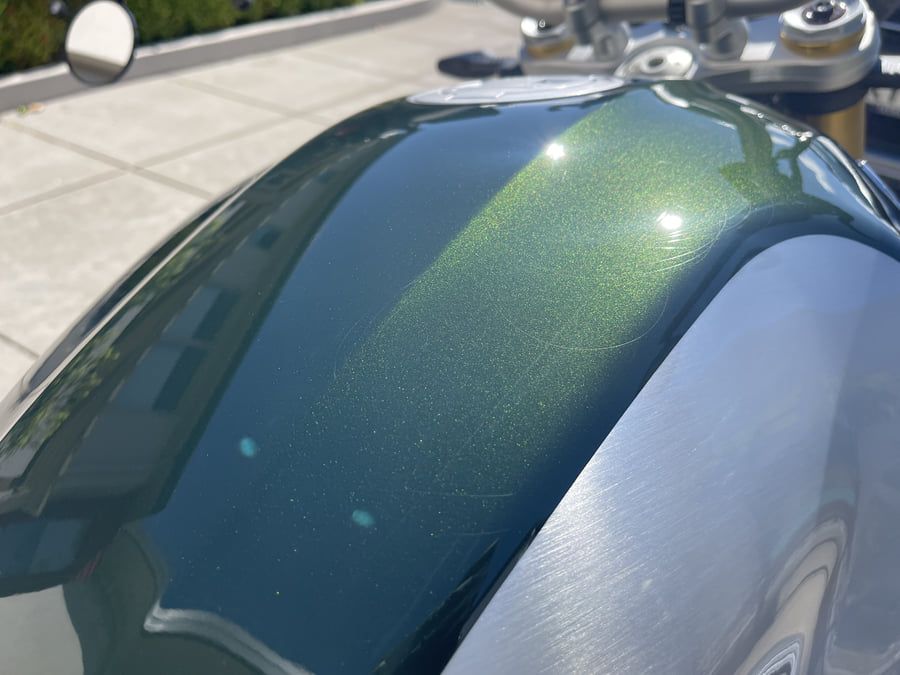
Fine marring from washing. This is the big one, and it matters more than it sounds because almost every swirl mark on a car was put there by cleaning it. A harder surface takes less of that marking.
Light contact marks. Brushing past with a jacket, a bag set down on the boot, the kind of contact that leaves a faint mark on unprotected paint.
Chemical etching, which is a different mechanism entirely. Bird droppings, bee droppings, sap and blossom are acidic and etch bare paint. A coating buys you time to remove them.
UV degradation, again a separate property from hardness, and the most valuable one in Nelson.
What it will not resist
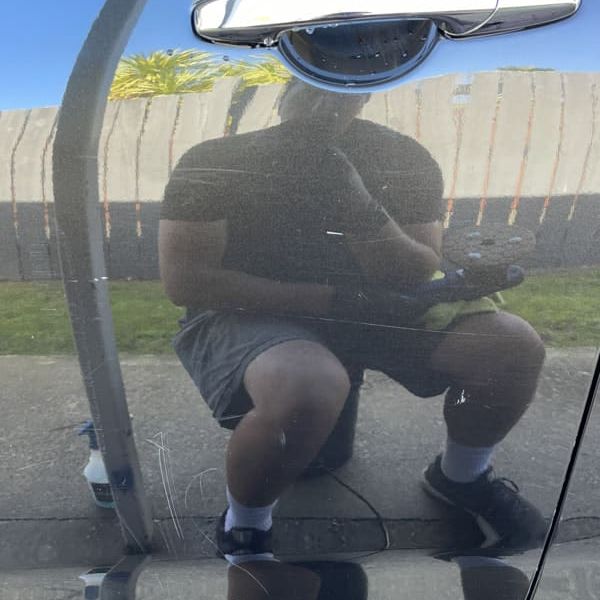
Anything that would gouge your clear coat.
- Keys and rings
- Shopping trolleys
- Branches on a narrow driveway
- Car park door strikes
- Grit dragged across a dry panel with a cloth
A coating is measured in single microns, and the paint under it is not much thicker. We have gauged 2017 cars at about 48 microns for the whole system, against about 70 microns for a human hair. There is simply not enough material there to stop something with force behind it.
The protection that actually matters
Here is the part that gets missed, and it is the strongest argument for a coating on this subject.
Most of the visible damage on a normal car is not from dramatic events. It is thousands of fine marks accumulated from washing, drying, waxing and wiping over years. Individually invisible. Collectively, that hazy swirling you see in direct sun.
A coating helps with that in two ways. The surface is harder, so it takes less marking from the same contact. And more importantly, a coated surface releases dirt far more easily, so washing needs less pressure and fewer passes.
Less contact means less accumulated damage. Over five years that difference is substantial, and it is not because the coating armoured anything. It is because you touched the paint less.
Our swirl marks article goes through the mechanism properly.
When a coating does get marked
Light marring in the coating itself can generally be polished out, and that area re-coated if needed.
Damage that has gone through into the clear coat is a different job. That is paint correction, and how much comes back depends on how deep it went. Most people doing a standard polish see about 50-60% of defects removed, and less on newer cars because modern paint is thinner.
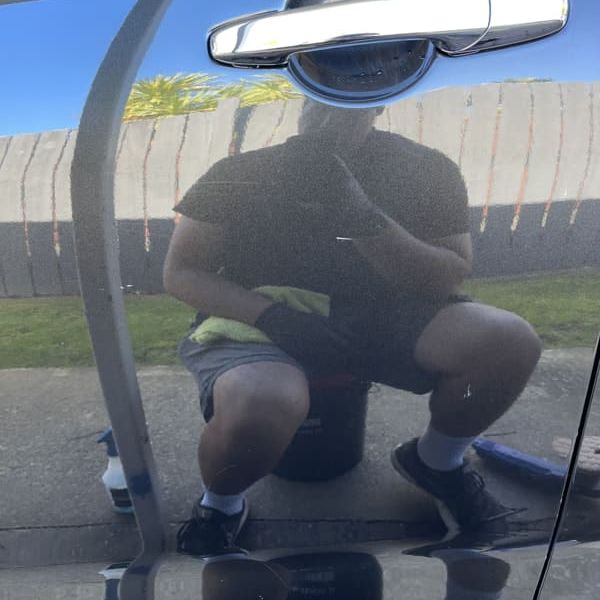
Deep scratches, chipped paint and missing or damaged clear coat do not polish out at all. That is worth knowing before the work starts rather than after.
Setting expectations properly
Roughly half the people we inspect decide not to proceed on that vehicle. It is almost never about price. It is that once they can see what the paint will realistically come back to, the result is not the one they had pictured.
That is a better outcome than the alternative, which is spending money on a result that was never achievable.
So is it worth it for scratch protection alone?
If scratch protection is the only reason you are considering a coating, probably not, and that is an odd thing for us to say.
The genuine case for a coating is the combination: UV resistance, chemical resistance, easier washing, water behaviour, and years of it rather than weeks. Hardness is one line on that list and not the most important one, particularly in Nelson where UV does most of the damage.
Our benefits article sets out the full picture, the myths article covers the claims that get overstated, and the pricing calculator will tell you what it costs on your own car.
"Absolutely happy with how this looks. I originally thought the paint was bad before getting it polished and coated."
— Mark L
Want to know what your paint would come back to?
We will look at it under proper lighting and tell you what is realistic before you spend anything.
What happens next: Free consultation → Transparent estimate → Professional application → Follow-up care